Coping with Anxiety: Practical and Evidence-Based Strategies
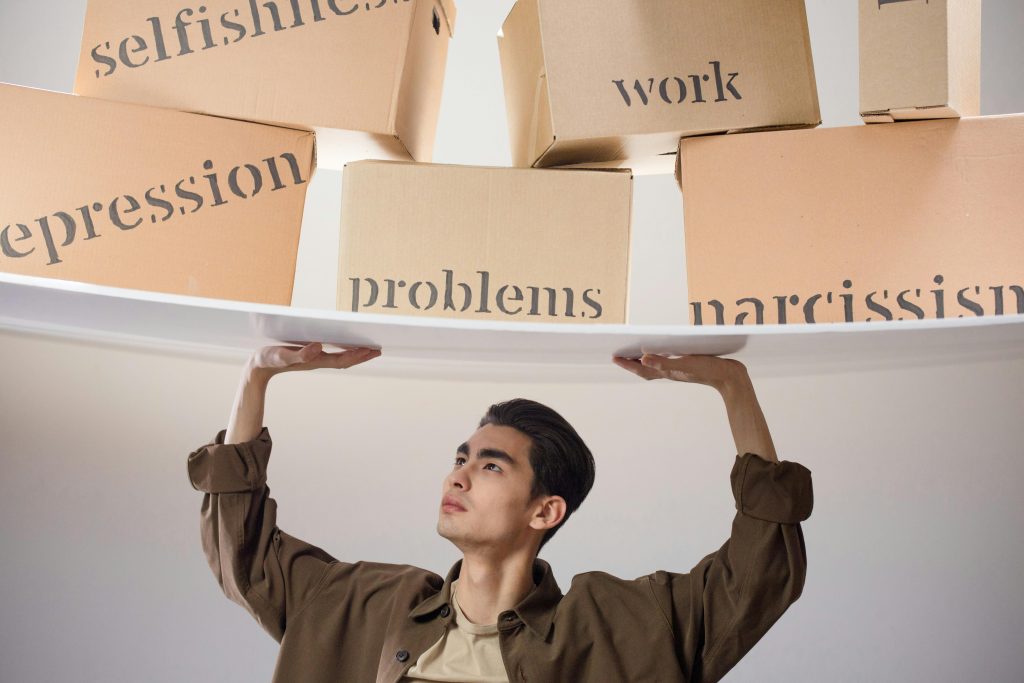
Anxiety is a common emotional experience that can range from mild unease to intense fear and panic. In fact, it’s a normal response to stressful situations, helping us to stay alert and focused. However, when anxiety becomes chronic or overwhelming, it can interfere with daily life and wellbeing. Understanding how to manage anxiety effectively is crucial, and fortunately, there are science-backed techniques that can help. Here’s a guide to coping with anxiety, grounded in research and expert advice.
Understanding Anxiety: What Happens in Your Brain?
When you experience anxiety, your body’s “fight or flight” response is activated. The amygdala, a part of your brain responsible for processing emotions, signals a potential threat—even if the danger isn’t real. This triggers the release of stress hormones like adrenaline and cortisol, causing physical symptoms such as increased heart rate, rapid breathing, and muscle tension.
Chronic anxiety can hijack this system, causing your body to react as if it’s in a state of constant danger. It’s essential to recognize that these responses are not your fault; they’re rooted in biology. The goal of managing anxiety is to help your body and mind return to a state of calm and balance.

Breathing Techniques: A Quick and Effective Tool
Research Evidence: Deep breathing exercises are one of the simplest and most effective ways to manage anxiety in the moment. Studies have shown that controlled breathing can activate the parasympathetic nervous system, which counters the body’s stress response.
How to Do It:
- Box Breathing: Inhale through your nose for a count of four, hold your breath for four counts, exhale through your mouth for four counts, and then hold again for four counts. Repeat this cycle for a few minutes.
- Diaphragmatic Breathing: Place one hand on your chest and the other on your belly. Breathe in deeply through your nose, allowing your diaphragm (not your chest) to inflate fully. This can help regulate your heart rate and relax your muscles.
Practice Mindfulness and Grounding Techniques
Research Evidence: Mindfulness has been widely studied and shown to reduce symptoms of anxiety. It involves focusing on the present moment without judgment, helping you break the cycle of anxious thoughts.
Grounding Technique:
- The 5-4-3-2-1 Technique: Identify five things you can see, four things you can touch, three things you can hear, two things you can smell, and one thing you can taste. This technique helps redirect your focus away from anxious thoughts and into the present moment.
Challenge Your Negative Thoughts
Research Evidence: Cognitive-behavioral therapy (CBT) is one of the most effective treatments for anxiety. It works by identifying and challenging negative thought patterns that contribute to anxiety.
How to Practice:
- When you notice a negative thought, ask yourself: “Is this thought based on fact or fear?” Often, anxiety-driven thoughts are distorted or exaggerated.
- Reframe the thought with a more balanced perspective. For instance, instead of thinking, “I’m going to fail this test,” try, “I’ve studied hard, and I can do my best. One test does not define my abilities.”

Exercise: A Natural Anxiety Reliever
Research Evidence: Regular physical activity has been shown to reduce anxiety symptoms by increasing the production of endorphins—your brain’s natural feel-good neurotransmitters. Exercise also helps lower the levels of stress hormones like cortisol.
How to Incorporate It:
- Aim for at least 30 minutes of moderate exercise most days of the week. Activities like walking, swimming, cycling, or yoga are particularly beneficial.
- Even short bursts of movement, like a 10-minute brisk walk, can help alleviate acute anxiety symptoms.
Establish a Calming Bedtime Routine
Research Evidence: Poor sleep and anxiety often go hand in hand. Research shows that anxiety can disrupt sleep, and lack of sleep can worsen anxiety, creating a vicious cycle.
How to Improve Sleep:
- Set a consistent bedtime and wake-up time, even on weekends.
- Create a pre-sleep routine that helps signal to your brain that it’s time to wind down. This might include dimming the lights, turning off screens, and practicing relaxation techniques like reading or deep breathing.
Acceptance and Commitment: Letting Go of Perfectionism
Research Evidence: Acceptance and Commitment Therapy (ACT) encourages individuals to accept their anxious thoughts and feelings rather than fight against them. This approach has shown positive outcomes in reducing anxiety symptoms.
How to Practice Acceptance:
- Instead of saying, “I shouldn’t feel anxious,” try reframing it to, “I’m feeling anxious right now, and that’s okay. It’s just a feeling, and it will pass.”
- Focus on your values and take small steps towards actions that align with what matters most to you, even if anxiety is present.

Final Thoughts: Embracing a Holistic Approach
Coping with anxiety is a journey, and it often requires a combination of strategies. It’s about finding what works best for you, whether it’s through mindfulness, cognitive techniques, physical exercise, or seeking support. Remember that anxiety is a normal part of being human, and learning to manage it effectively is a skill you can build over time.
By practicing these evidence-based techniques, you’re not just addressing your anxiety in the short term—you’re equipping yourself with lifelong tools for resilience and mental wellbeing.

Written by Dwayne Yoong on 14 November, 2024